What it is
Alternative names and label synonyms: beneficial bacteria, live microorganisms
Probiotics are live microorganisms intended to provide a health benefit when administered in adequate amounts. A genus and species name is not enough; strain identity matters.
Where it comes from
Probiotics refers to live microorganisms or a named microbial strain. Identity, strain code, viable count, storage, and shelf-life matter.
Food sources
Yogurt and some fermented foods may contain live cultures, but not every fermented food contains a clinically studied probiotic strain.
Why people use it
Selected strains have evidence for specific digestive or antibiotic-associated outcomes. A benefit shown for one strain cannot be transferred to every probiotic blend.
Potential benefits and outcome-specific evidence
Ratings apply only to the stated outcome. They are not a grade for the ingredient or proof that a finished product works.
The specific uses described in this profile
Selected strains have evidence for specific digestive or antibiotic-associated outcomes. A benefit shown for one strain cannot be transferred to every probiotic blend.
What current research says
Evidence varies widely by strain, condition, age group, dose, and endpoint. Some uses are supported; many general immunity, mood, weight, or detox claims are not established for finished products.
Common forms and differences
Common forms
Capsules, powders, chewables, fermented foods, and refrigerated or shelf-stable products are common. Labels may state colony-forming units (CFU) at manufacture or through expiration.
How forms may differ
Capsules, powders, chewables, fermented foods, and refrigerated or shelf-stable products are common. Labels may state colony-forming units (CFU) at manufacture or through expiration.
Amounts commonly used in research
Amounts used in research vary by outcome, form, population, and study design. A reliable single research amount was not available and no personalized dose is provided.
Important dosage context
Compare full strain identifiers, amount through shelf life, storage, studied use, allergens, prebiotics, and independent quality testing.
Safety and possible side effects
Gas and digestive discomfort can occur. Serious infections are rare but are more concerning in people who are critically ill, immunocompromised, or have central lines.
Pregnancy and breastfeeding
Pregnancy and breastfeeding safety has not been independently verified for this ingredient and product form. Use only with qualified professional guidance.
Children and older adults
Children and older adults may have different needs, tolerances, kidney or liver function, and medication risks. Adult marketing directions should not be applied to children.
Potential interactions
Medication interactions
Antibiotics can affect bacterial probiotics, and timing guidance may be product- and treatment-specific. Antifungal medicine can affect yeast-based probiotics.
Supplement interactions
Combining supplements can duplicate ingredients, increase total exposure, or create interactions. Check every label and avoid assuming that separate products are safe together.
Who should be cautious
Premature infants, critically ill people, people with weakened immune systems, or those with central venous catheters require clinician oversight.
Product-quality considerations
Quality checks
Prefer a complete label with identity, exact amount, serving, other ingredients, allergen information, lot number, expiry, manufacturer contact, and storage instructions.
Third-party testing
Third-party certification must be verified with the certifier or product record. A badge or seller statement alone is not proof that every lot was tested for identity, potency, contaminants, or banned substances.
How to read the product label
Look for “Probiotics” and its synonyms (beneficial bacteria, live microorganisms), the exact form, amount per serving, serving size, proprietary blends, warnings, and certification details.
Related ingredients and wellness goals
Related articles

Probiotics: Strains, Uses, and Evidence
A research-led look at probiotics, including practical choices, product questions, safety limits, and links to authoritative guidance.

Women’s Probiotics: Marketing vs Evidence
A research-led look at women’s probiotics, including practical choices, product questions, safety limits, and links to authoritative guidance.
Products containing Probiotics
Some links on WellnessAIDaily may be affiliate links. We may earn a commission at no additional cost to you.
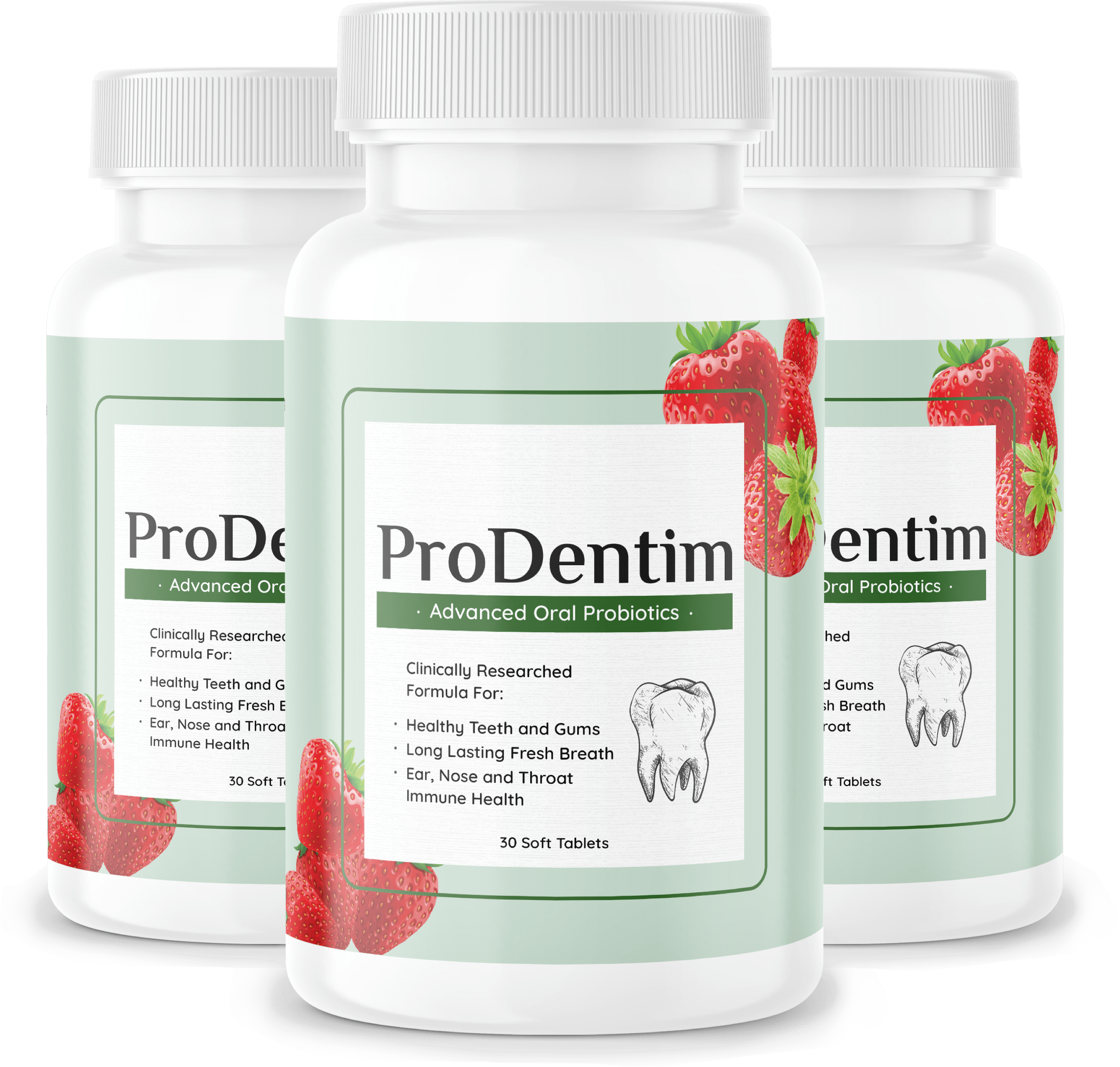
ProDentim
- Brand
- Not independently verified
- Ingredient form
- Seller states 3.5 billion combined probiotic organisms per tablet
- Amount per serving
- Seller states 3.5 billion combined probiotic organisms per tablet
- Serving size
- Slowly chew one tablet each morning, according to the seller page
- Third-party certification
- Not independently verified
- Price
- $79 per bottle for 2; $69 per bottle for 3; $49 per bottle for 6
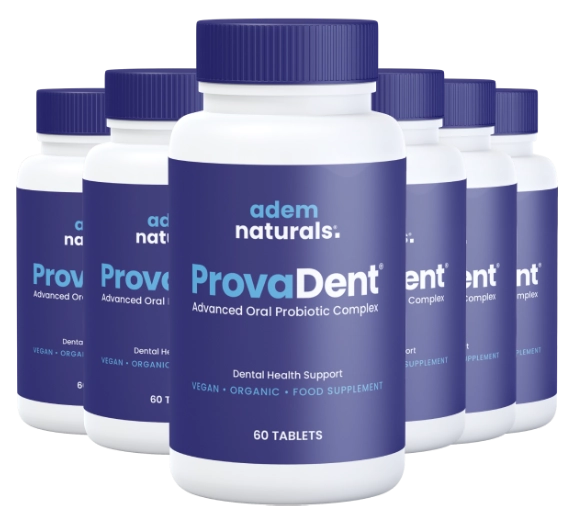
ProvaDent
- Brand
- Not independently verified
- Ingredient form
- Xylitol, BioFresh Clean Complex, cranberry, purple carrot and four probiotic strains
- Amount per serving
- Not independently verified
- Serving size
- Not independently verified
- Third-party certification
- Not independently verified
- Price
- 1 bottle: $69; 3 bottles: $177; 6 bottles: $294
Best products containing Probiotics
Reviewed options are shown above, but no product is described as best until equivalent labels, amounts, testing, current price, and safety information can be evaluated with consistent criteria.
Review the comparison methodologyFrequently asked questions
References
Author and review information
Author: WellnessAIDaily Editorial Team
Medical review: Not medically reviewed. A medical reviewer is never implied unless a qualified person has actually reviewed the page and their credentials are verified.