What it is
Alternative names and label synonyms: Curcuma longa, curcuminoids, curcumin
Turmeric (Curcuma longa) is a plant used as a spice and traditional preparation. Curcuminoids, including curcumin, are concentrated in many supplements.
Where it comes from
Turmeric/Curcumin is derived from a botanical source. Species, plant part, extraction method, and standardization can materially change a product.
Food sources
Turmeric is used as a culinary spice; food use is not equivalent to concentrated supplemental extracts.
Why people use it
Some studies suggest modest short-term improvement in osteoarthritis symptoms with selected extracts. Evidence for many broader claims remains insufficient.
Potential benefits and outcome-specific evidence
Ratings apply only to the stated outcome. They are not a grade for the ingredient or proof that a finished product works.
The specific uses described in this profile
Some studies suggest modest short-term improvement in osteoarthritis symptoms with selected extracts. Evidence for many broader claims remains insufficient.
What current research says
Studies use different extracts and absorption enhancers, making direct comparison difficult. Evidence from one formulation cannot automatically support every turmeric capsule or food use.
Common forms and differences
Common forms
Culinary powder, standardized extracts, phospholipid complexes, nanoparticles, and products combined with piperine are common.
How forms may differ
Culinary powder, standardized extracts, phospholipid complexes, nanoparticles, and products combined with piperine are common.
Amounts commonly used in research
Amounts used in research vary by outcome, form, population, and study design. A reliable single research amount was not available and no personalized dose is provided.
Important dosage context
Enhanced absorption may increase both exposure and risk. Compare exact extract, curcuminoid amount, enhancer, testing, and research match.
Safety and possible side effects
Oral products can cause nausea, reflux, stomach upset, diarrhea, or constipation. Liver injury has been reported, particularly with some high-bioavailability products.
Pregnancy and breastfeeding
Pregnancy and breastfeeding safety has not been independently verified for this ingredient and product form. Use only with qualified professional guidance.
Children and older adults
Children and older adults may have different needs, tolerances, kidney or liver function, and medication risks. Adult marketing directions should not be applied to children.
Potential interactions
Medication interactions
Potential concerns include anticoagulants, antiplatelet medicines, diabetes medicines, and products affecting the liver. Piperine can alter drug metabolism.
Supplement interactions
Combining supplements can duplicate ingredients, increase total exposure, or create interactions. Check every label and avoid assuming that separate products are safe together.
Who should be cautious
Gallbladder disease, liver symptoms, bleeding risk, pregnancy, or complex medication use warrants professional guidance.
Product-quality considerations
Quality checks
Prefer a complete label with identity, exact amount, serving, other ingredients, allergen information, lot number, expiry, manufacturer contact, and storage instructions.
Third-party testing
Third-party certification must be verified with the certifier or product record. A badge or seller statement alone is not proof that every lot was tested for identity, potency, contaminants, or banned substances.
How to read the product label
Look for “Turmeric/Curcumin” and its synonyms (Curcuma longa, curcuminoids, curcumin), the exact form, amount per serving, serving size, proprietary blends, warnings, and certification details.
Products containing Turmeric/Curcumin
Some links on WellnessAIDaily may be affiliate links. We may earn a commission at no additional cost to you.
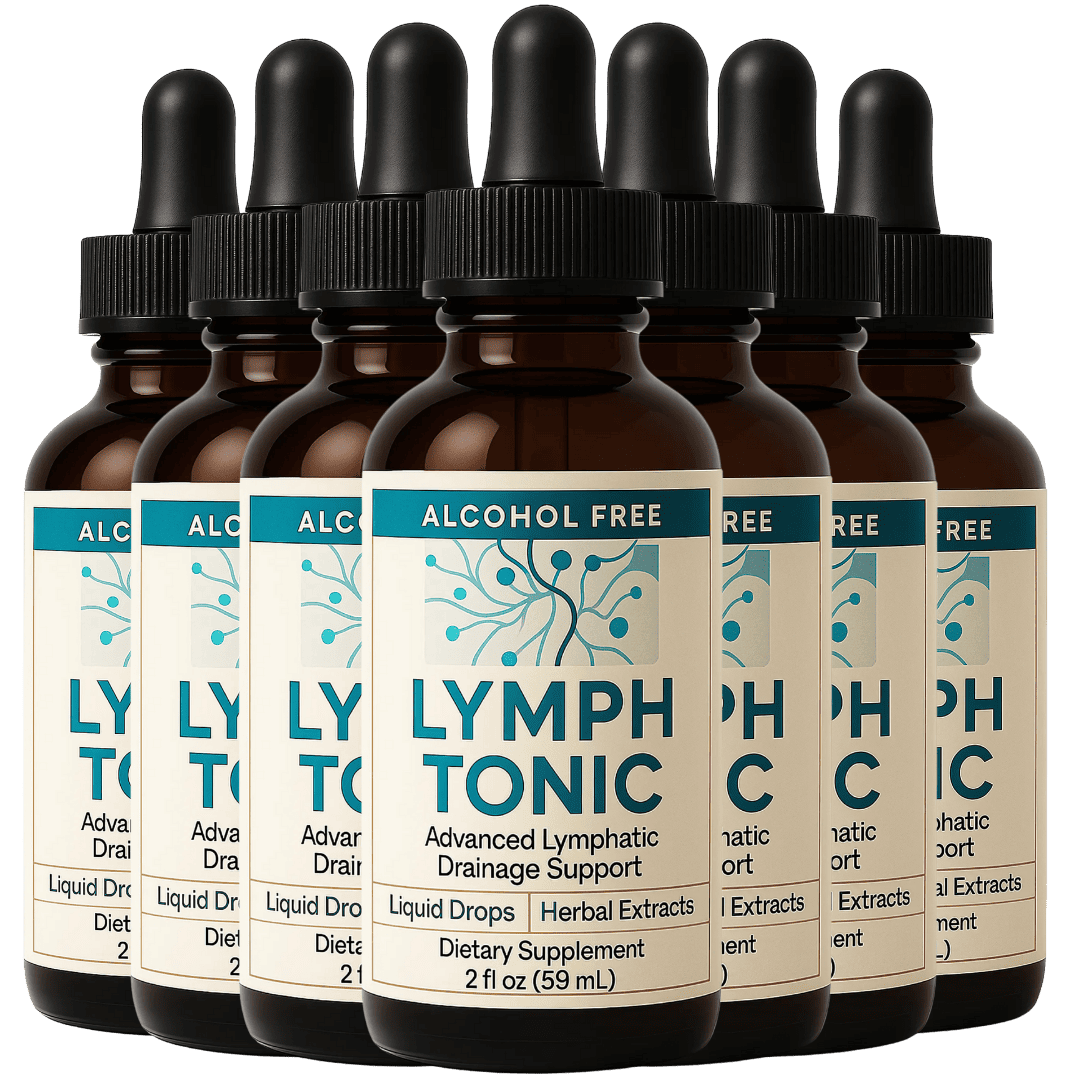
Lymph Tonic
- Brand
- Not independently verified
- Ingredient form
- 600 mg proprietary blend with Boswellia, baicalein, omega-3s, curcumin, hesperidin, horse chestnut, gotu kola, nattokinase, quercetin, ginger, black pepper, phosphatidylcholine and vitamin E
- Amount per serving
- Not independently verified
- Serving size
- Not independently verified
- Third-party certification
- Not independently verified
- Price
- Not independently verified
Best products containing Turmeric/Curcumin
Product recommendations are being researched. No ranking is currently available.
Review the comparison methodologyFrequently asked questions
References
Author and review information
Author: WellnessAIDaily Editorial Team
Medical review: Not medically reviewed. A medical reviewer is never implied unless a qualified person has actually reviewed the page and their credentials are verified.