What it is
Alternative names and label synonyms: berberine HCl
Berberine is an alkaloid found in plants such as barberry and goldenseal. Supplements typically provide isolated berberine salts rather than the whole herb.
Where it comes from
Berberine is derived from a botanical source. Species, plant part, extraction method, and standardization can materially change a product.
Food sources
Berberine is not consumed in meaningful amounts through an ordinary balanced diet.
Why people use it
Clinical studies suggest possible effects on blood glucose and lipid markers in some adults. These findings do not make berberine a substitute for prescribed treatment or lifestyle care.
Potential benefits and outcome-specific evidence
Ratings apply only to the stated outcome. They are not a grade for the ingredient or proof that a finished product works.
The specific uses described in this profile
Clinical studies suggest possible effects on blood glucose and lipid markers in some adults. These findings do not make berberine a substitute for prescribed treatment or lifestyle care.
What current research says
Trials vary in quality, size, duration, and co-interventions. NCCIH concludes that evidence for weight loss is not conclusive, and product quality adds uncertainty.
Common forms and differences
Common forms
Berberine hydrochloride capsules and tablets are common. Combination formulas make it harder to attribute benefits or harms to berberine itself.
How forms may differ
Berberine hydrochloride capsules and tablets are common. Combination formulas make it harder to attribute benefits or harms to berberine itself.
Amounts commonly used in research
Amounts used in research vary by outcome, form, population, and study design. A reliable single research amount was not available and no personalized dose is provided.
Important dosage context
Metabolic outcomes should be monitored with a clinician when medicines are involved. Compare dose, formulation, testing, and the complete interaction warning.
Safety and possible side effects
Reported effects include nausea, abdominal discomfort, bloating, constipation, and diarrhea.
Pregnancy and breastfeeding
Pregnancy and breastfeeding safety has not been independently verified for this ingredient and product form. Use only with qualified professional guidance.
Children and older adults
Children and older adults may have different needs, tolerances, kidney or liver function, and medication risks. Adult marketing directions should not be applied to children.
Potential interactions
Medication interactions
Berberine can interact with medicines, including cyclosporine, and may add to glucose-lowering or blood-pressure effects. It can affect drug-metabolizing pathways.
Supplement interactions
Combining supplements can duplicate ingredients, increase total exposure, or create interactions. Check every label and avoid assuming that separate products are safe together.
Who should be cautious
Pregnant or breastfeeding people and infants should avoid berberine. Anyone taking prescription medicines should obtain pharmacist or clinician guidance.
Product-quality considerations
Quality checks
Prefer a complete label with identity, exact amount, serving, other ingredients, allergen information, lot number, expiry, manufacturer contact, and storage instructions.
Third-party testing
Third-party certification must be verified with the certifier or product record. A badge or seller statement alone is not proof that every lot was tested for identity, potency, contaminants, or banned substances.
How to read the product label
Look for “Berberine” and its synonyms (berberine HCl), the exact form, amount per serving, serving size, proprietary blends, warnings, and certification details.
Related ingredients and wellness goals
Related articles

Cinnamon and Berberine Claims Reviewed
A research-led look at cinnamon and berberine claims reviewed, including practical choices, product questions, safety limits, and links to authoritative guidance.
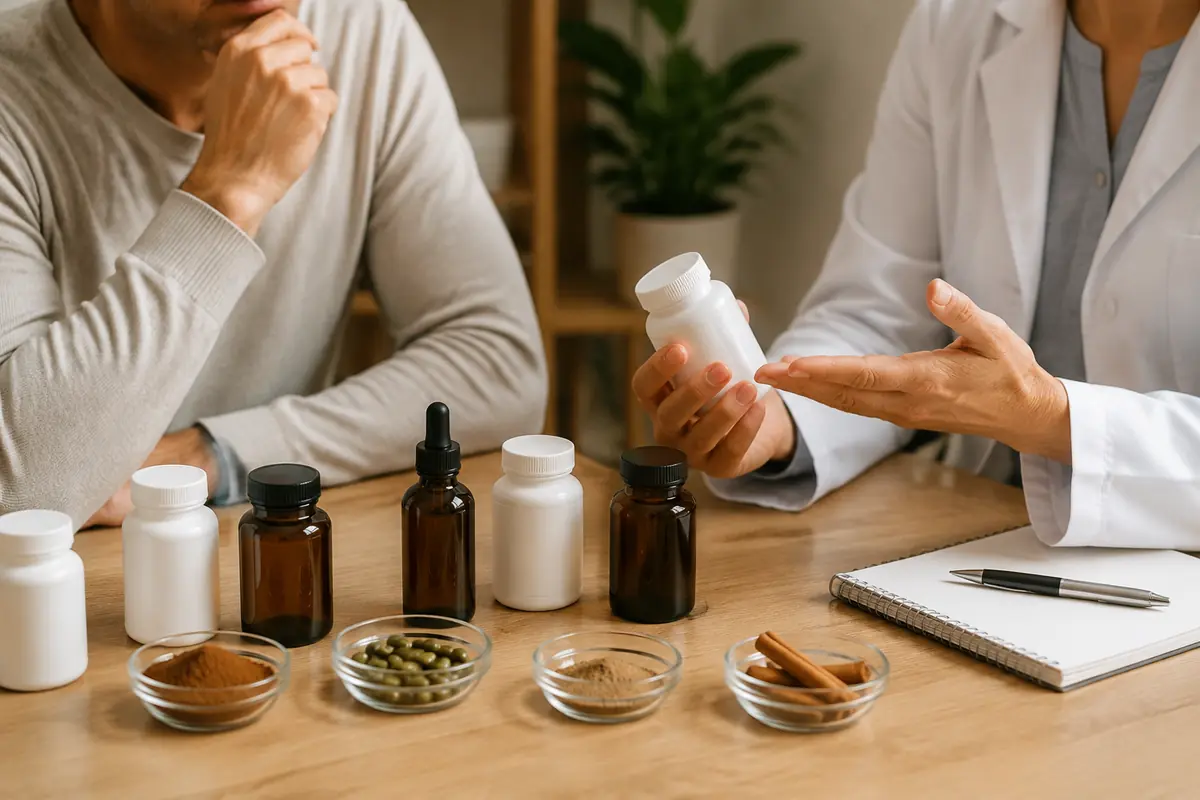
Supplements for Blood Sugar: How Strong Is the Evidence?
A cautious look at cinnamon, chromium, berberine, and other products marketed for glucose control.
Products containing Berberine
Some links on WellnessAIDaily may be affiliate links. We may earn a commission at no additional cost to you.

PhytoMem One
- Brand
- Not independently verified
- Ingredient form
- Saffron, fucoxanthin, fucoidan, oleuropein, berberine, Ceylon cinnamon, corosolic acid, kudzu flower, Moro red orange extract and xylitol
- Amount per serving
- Not independently verified
- Serving size
- One capsule daily with food, according to the seller
- Third-party certification
- Not independently verified
- Price
- 2 bottles: $158 ($79 each); 3 bottles: $177 ($59 each); 6 bottles: $294 ($49 each)
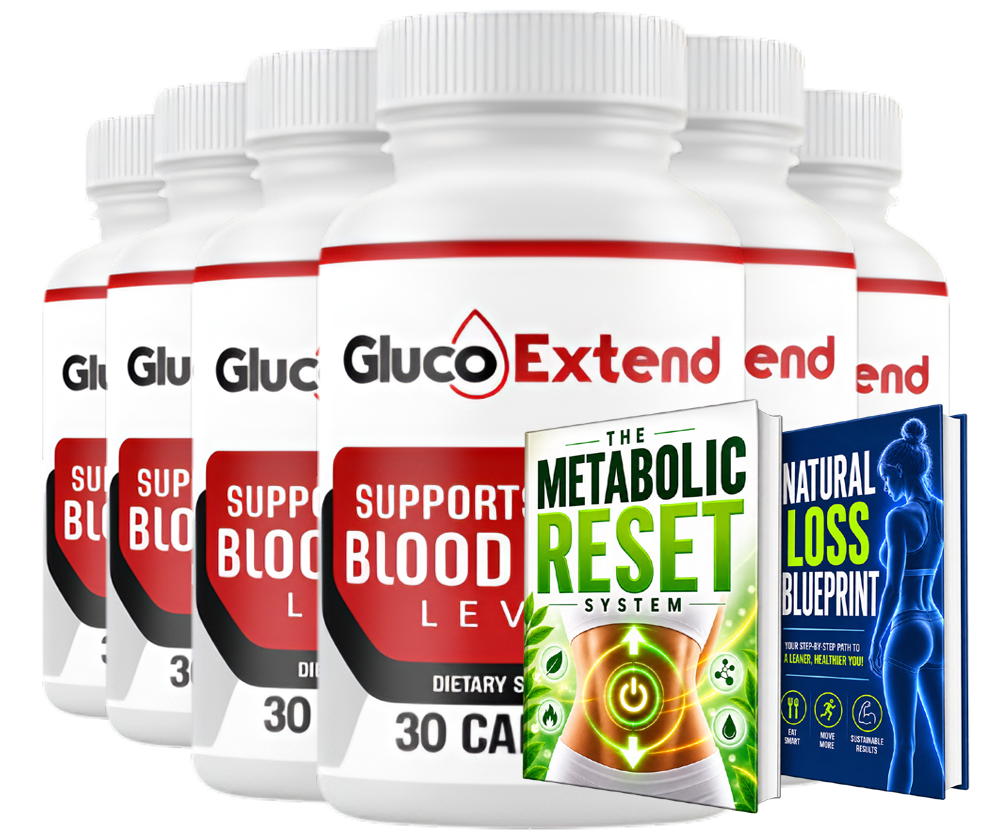
Gluco Extend
- Brand
- Not independently verified
- Ingredient form
- Berberine, gymnema, bean extract, cocoa, turmeric and other components in an 11-plus-ingredient blend
- Amount per serving
- Not independently verified
- Serving size
- Not independently verified
- Third-party certification
- Not independently verified
- Price
- 2 bottles: $158; 3 bottles: $207; 6 bottles: $294
Best products containing Berberine
Reviewed options are shown above, but no product is described as best until equivalent labels, amounts, testing, current price, and safety information can be evaluated with consistent criteria.
Review the comparison methodologyFrequently asked questions
References
Author and review information
Author: WellnessAIDaily Editorial Team
Medical review: Not medically reviewed. A medical reviewer is never implied unless a qualified person has actually reviewed the page and their credentials are verified.