A — Z Clinical Health & Science Glossary
Demystifying complex biochemical pathways, cellular longevity mechanisms, and dietary supplement science. Designed to help consumers make educated, clinically verified decisions.
AMPK (AMP-Activated Protein Kinase)
An intracellular master energy sensor and enzyme that regulates cellular homeostasis, mitochondrial biogenesis, and glucose uptake while promoting fatty acid oxidation.
Natural activation of AMPK mimics the metabolic benefits of caloric restriction, assisting in insulin sensitization and visceral adipose lipid breakdown.

Ikaria Lean Belly Juice (Ceramide Flush)
Adaptogen
Herbal PharmacologyA specialized class of non-toxic botanical and fungal substances that enhance the body's non-specific resistance to physiological, physical, and psychological stressors by modulating the hypothalamic-pituitary-adrenal (HPA) axis.
Demonstrated in clinical trials to reduce serum cortisol spikes, stabilize sympathetic nervous system overdrive, and improve cellular energy endurance without jitteriness.
AMPK (AMP-Activated Protein Kinase)
Cellular MetabolismAn intracellular master energy sensor and enzyme that regulates cellular homeostasis, mitochondrial biogenesis, and glucose uptake while promoting fatty acid oxidation.
Natural activation of AMPK mimics the metabolic benefits of caloric restriction, assisting in insulin sensitization and visceral adipose lipid breakdown.
Antioxidant Network
BiochemistryA synergistic defense matrix comprised of endogenous enzymes (superoxide dismutase, glutathione peroxidase, catalase) and dietary phytonutrients that neutralize reactive oxygen species (ROS).
Protects cell membranes, nuclear DNA, and mitochondrial electron transport chains from oxidative degradation and premature cellular senescence.
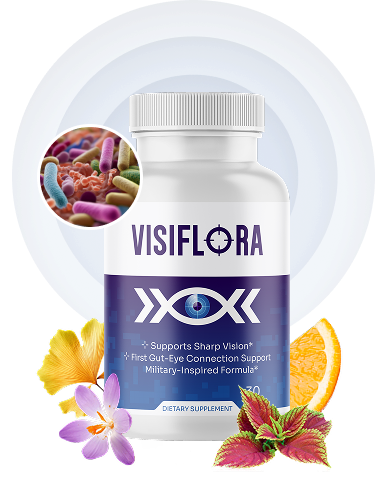
Bioavailability
PharmacokineticsThe rate and proportion at which an ingested bioactive nutrient or dietary compound is absorbed through the intestinal mucosa, survives first-pass hepatic metabolism, and enters systemic circulation.
Standard botanicals often have low bioavailability (<5%); formulation with liposomal delivery, piperine (black pepper extract), or phytosome complexes can elevate bioavailability by up to 2,000%.
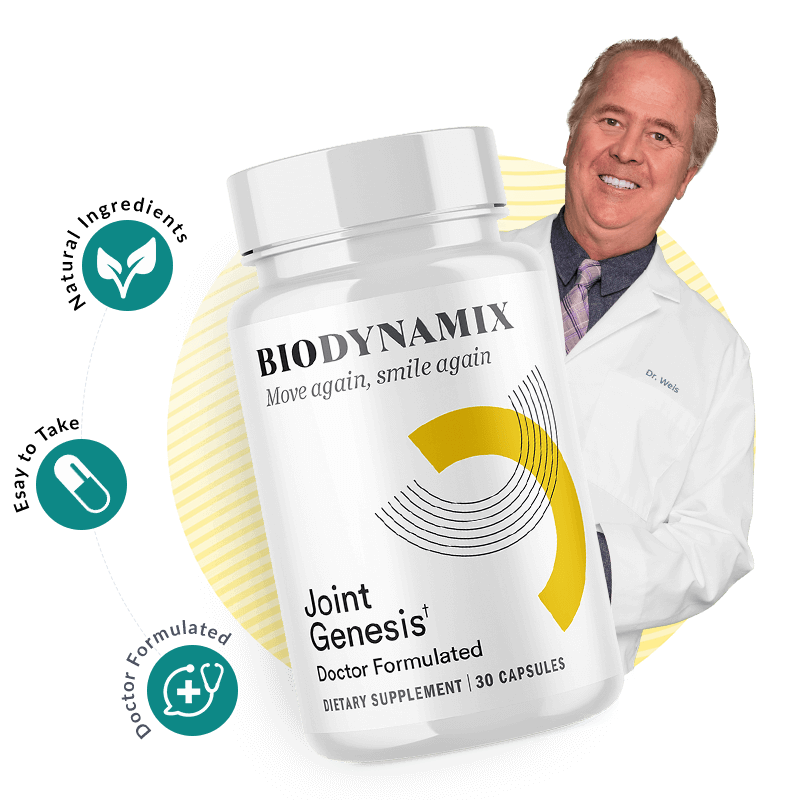
Berberine Isoquinoline Alkaloid
Botanical CompoundsA naturally occurring quaternary ammonium salt from the protoberberine group of benzylisoquinoline alkaloids found in Berberis species.
One of the most clinically researched natural compounds for metabolic health; activates AMPK, up-regulates GLUT4 glucose transporters, and modulates the gut microbiome.
Cartilage Extracellular Matrix (ECM)
Musculoskeletal PhysiologyThe dense network of type II collagen fibers, hyaluronic acid, chondroitin sulfate, and proteoglycans that provides shock absorption and compressive resistance in synovial joints.
Age and mechanical wear lead to chondrocyte senescence and ECM degradation; targeted oral hyaluronan and mobilee cofactors stimulate endogenous synovial fluid synthesis.
cGMP (Current Good Manufacturing Practice)
Regulatory StandardsStrict federal manufacturing regulations enforced by the US FDA (21 CFR Part 111 for dietary supplements) ensuring proper design, monitoring, and control of manufacturing facilities and quality processes.
Guarantees product identity, strength, purity, and composition while testing for heavy metals, microbials, pesticides, and solvent residues.
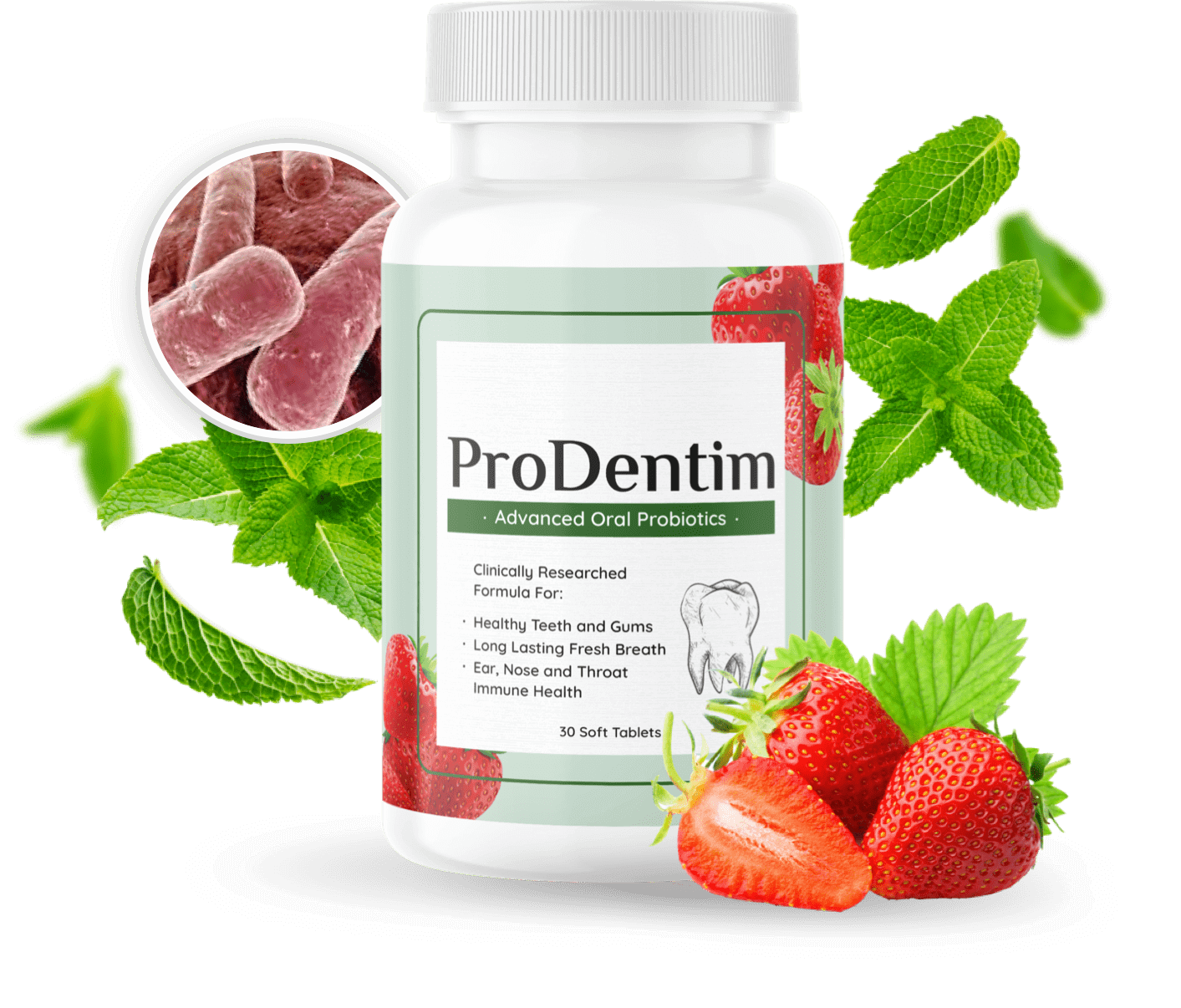
Coenzyme Q10 (Ubiquinol / Ubiquinone)
BioenergeticsA vital lipid-soluble benzoquinone compound concentrated in inner mitochondrial membranes, functioning as an essential electron carrier in ATP generation.
Endogenous production declines drastically after age 40 and with statin therapy; supplementation supports myocardial bioenergetics and endothelial nitric oxide synthesis.
Cortisol Circadian Rhythm
EndocrinologyThe 24-hour diurnal secretory pattern of the primary glucocorticoid hormone produced by the adrenal cortex, characterized by a morning peak and evening trough.
Blunted or reversed cortisol curves (elevated nighttime cortisol) disrupt REM sleep, accelerate visceral fat accumulation, and induce morning brain fog.
Dysbiosis (Microbiome Imbalance)
Gastroenterology & ImmunologyA state of ecological imbalance within the host microbial community (gut, oral, or skin), characterized by the loss of beneficial commensal species and overgrowth of opportunistic pathobionts.
Associated with increased intestinal permeability ('leaky gut'), systemic low-grade endotoxemia (LPS leakage), periodontal bone loss, and neuroinflammation.
Endothelial Function
Cardiovascular PhysiologyThe physiological capability of the single-cell vascular lining (endothelium) to synthesize nitric oxide (NO), regulating arterial vasodilation, blood pressure, and microvascular perfusion.
Crucial for microcirculation to delicate sensory organs including the cochlear inner ear hair cells and the retinal macula.
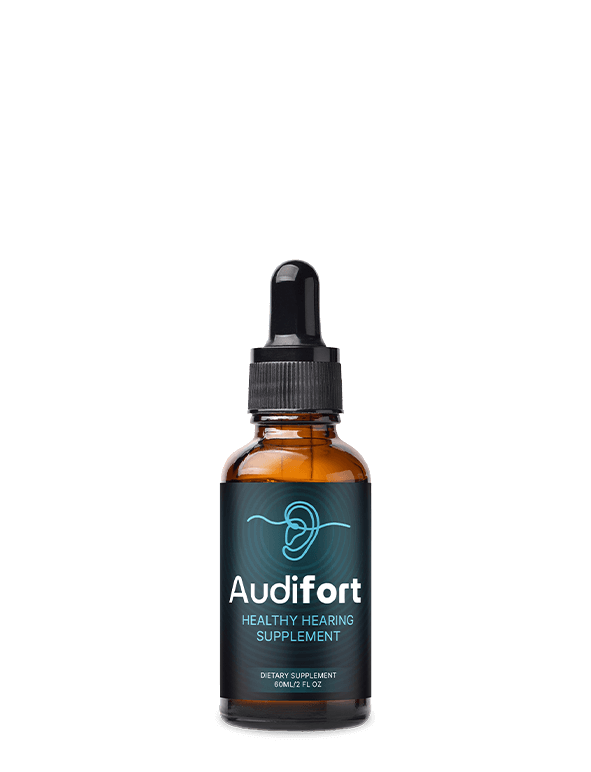
Epigenetic Methylation
Genetics & LongevityA biochemical process involving the addition of methyl groups to DNA molecules, modulating gene expression and transcription without altering the underlying sequence.
DNA methylation patterns serve as biological aging clocks (Horvath clock); methyl-donor nutrients (methylfolate, methylcobalamin, betaine) support optimal genomic stability.
Free Radicals & Reactive Oxygen Species (ROS)
BiochemistryHighly reactive, unstable atoms or molecules with an unpaired electron in their outer valence orbital, generated during normal aerobic metabolism and exogenous toxin exposure.
When ROS exceed endogenous antioxidant capacity, lipid peroxidation, mitochondrial DNA mutation, and cellular membrane damage occur.
GABA (Gamma-Aminobutyric Acid)
NeurochemistryThe primary inhibitory neurotransmitter in the human central nervous system, responsible for reducing neuronal excitability and dampening hyperactive brain signaling.
Binding to GABAA receptors induces hyperpolarization of neurons, facilitating muscle relaxation, calm emotional state, and deep slow-wave delta sleep.
Gut-Brain-Microbiome Axis
NeurogastroenterologyA bidirectional biochemical signaling network connecting the central nervous system (brain and spinal cord) and the enteric nervous system via the vagus nerve, cytokines, and short-chain fatty acids.
Over 90% of the body's serotonin and 50% of dopamine are synthesized in the gut; microbiome diversity directly influences mood, stress tolerance, and cognitive clarity.
HbA1c (Glycated Hemoglobin)
EndocrinologyA clinical biomarker reflecting average blood glucose concentrations over the previous 90 to 120 days, formed when glucose non-enzymatically binds to hemoglobin in red blood cells.
Standard clinical metric for monitoring glycemic control; values above 5.7% indicate prediabetes, while sustained elevations accelerate advanced glycation end-products (AGEs).
Hyaluronic Acid (Hyaluronan)
Connective Tissue BiologyA high-molecular-weight glycosaminoglycan distributed throughout human connective, epithelial, and neural tissues, especially abundant in synovial joint fluid and skin dermis.
Possesses immense water-binding capacity (up to 1,000x its weight), providing boundary lubrication to articular cartilage surfaces and reducing friction during movement.
Insulin Sensitivity & GLUT4 Translocation
Metabolic EndocrinologyThe responsiveness of target tissues (skeletal muscle, adipose tissue, liver) to the hormone insulin, facilitating the translocation of GLUT4 glucose transporters to the plasma membrane.
Enhanced insulin sensitivity allows efficient cellular glucose uptake, lowering fasting insulin levels and preventing hepatic de novo lipogenesis.
Liposomal Delivery Technology
Pharmaceutical TechnologyAn advanced formulation methodology encapsulating hydrophilic or lipophilic active nutrients within synthetic lipid bilayer vesicles (liposomes) composed of phospholipids.
Shields delicate nutrients from harsh gastric acid and enzymatic breakdown, fusing with intestinal enterocyte membranes for dramatic absorption enhancement.
Mitochondrial Biogenesis
Cellular BioenergeticsThe cellular physiological process by which existing mitochondria grow and divide, increasing the overall mitochondrial density and ATP-generating capacity per cell.
Regulated by PGC-1alpha and NRF-1 transcription factors; decline in mitochondrial density is a primary hallmark of physical fatigue and neurodegenerative aging.
NAD+ (Nicotinamide Adenine Dinucleotide)
Molecular LongevityA fundamental coenzyme found in all living cells, essential for cellular redox reactions, glycolysis, the Krebs cycle, and as an obligate substrate for PARP DNA repair enzymes and Sirtuins.
Systemic NAD+ levels decline by up to 50% between ages 20 and 50; replenishment via precursors (NMN, NR, Niacinamide) rejuvenates cellular repair and sirtuin activity.
Nootropic (Cognitive Enhancer)
NeuropharmacologyA substance or botanical compound that safely enhances human cognitive functions such as executive function, working memory, processing speed, creativity, and neuroplasticity.
Works via enhancing cerebral blood flow, acetylcholine synthesis, BDNF (brain-derived neurotrophic factor) release, and neuronal membrane phospholipids.
Nrf2 Antioxidant Master Switch
Cellular Defense GeneticsNuclear factor erythroid 2-related factor 2 (Nrf2) is a transcription factor that binds to antioxidant response elements (ARE) in DNA, coordinating the expression of over 200 cytoprotective genes.
Activated by phytochemicals like sulforaphane and curcumin; represents the most potent natural defense mechanism against chronic systemic inflammation.
Oral Microbiome Ecology
Dental & Periodontal ScienceThe diverse microbial community of over 700 bacterial species residing within the oral cavity (saliva, tongue, gingival sulcus, tooth surface biofilm).
A balanced oral microbiome produces nitric oxide from dietary nitrates and outcompetes volatile sulfur-producing anaerobes, preventing gingivitis and enamel demineralization.
REM (Rapid Eye Movement) Sleep
Sleep Medicine & NeurologyThe unique phase of mammalian sleep characterized by rapid eye movements, low muscle tone, and high-frequency brain waves, essential for memory consolidation and emotional regulation.
Nutritional GABAergics and melatonin micro-dosing stabilize sleep architecture, increasing restorative REM and stage-3 slow-wave delta deep sleep duration.
Sirtuins (SIRT1-SIRT7 Enzymes)
Molecular BiologyA family of NAD+-dependent protein deacetylases that regulate epigenetic modifications, cellular repair, telomere integrity, mitochondrial function, and circadian rhythmicity.
Known as 'longevity genes'; their activation by calorie restriction or natural polyphenols promotes autophagy and slows tissue aging.
Synovial Fluid & Chondrocyte Health
Joint PhysiologyA viscous, non-Newtonian fluid found in synovial joint cavities that cushions articular cartilage, reduces kinetic friction, and delivers nutrients to avascular cartilage cells (chondrocytes).
Enriched with hyaluronan and lubricin; replenishing lubricating cofactors eliminates joint clicking, morning stiffness, and bone-on-bone discomfort.
Tinnitus & Cochlear Acoustic Perfusion
Audiology & OtolaryngologyThe perception of phantom sound (ringing, buzzing, hissing) in the absence of an external auditory stimulus, frequently rooted in auditory nerve hypoxia or glutamate excitotoxicity.
Botanicals that optimize microvascular perfusion to the cochlea and protect stereocilia hair cells reduce perceived auditory distress.
Nutritional & Biochemical Glossary Q&A
Need clarification on a medical term or physiological pathway? Ask our clinical research board.
Have questions about clinical dosage, mechanisms, or real-world results? Share below.
Submit Your Review or Inquiry
Your email address will not be published. Required fields are marked *